

The internet we know today is a vast and interconnected network, ingrained in nearly every aspect of our lives. But in 1988, the internet was still in its infancy, a fledgling technology used primarily by academics and researchers. Then came a fateful day – November 2nd, 1988 – and a seemingly harmless experiment by a young Cornell University student triggered a digital disaster later dubbed The Great Meltdown.
The Culprit: The Morris Worm
Robert Tappan Morris, a graduate student at the time, unleashed a self-replicating worm he designed to explore the size and vulnerabilities of the nascent internet. However, the worm quickly spiraled out of control. The Morris worm exploited weaknesses in widely used Unix operating systems, causing infected machines to:
- Copy itself repeatedly: This rapid copying consumed system resources, slowing down or crashing infected machines.
- Launch a denial-of-service attack: The worm flooded targeted machines with information requests, overwhelming them and making them inaccessible to legitimate users.
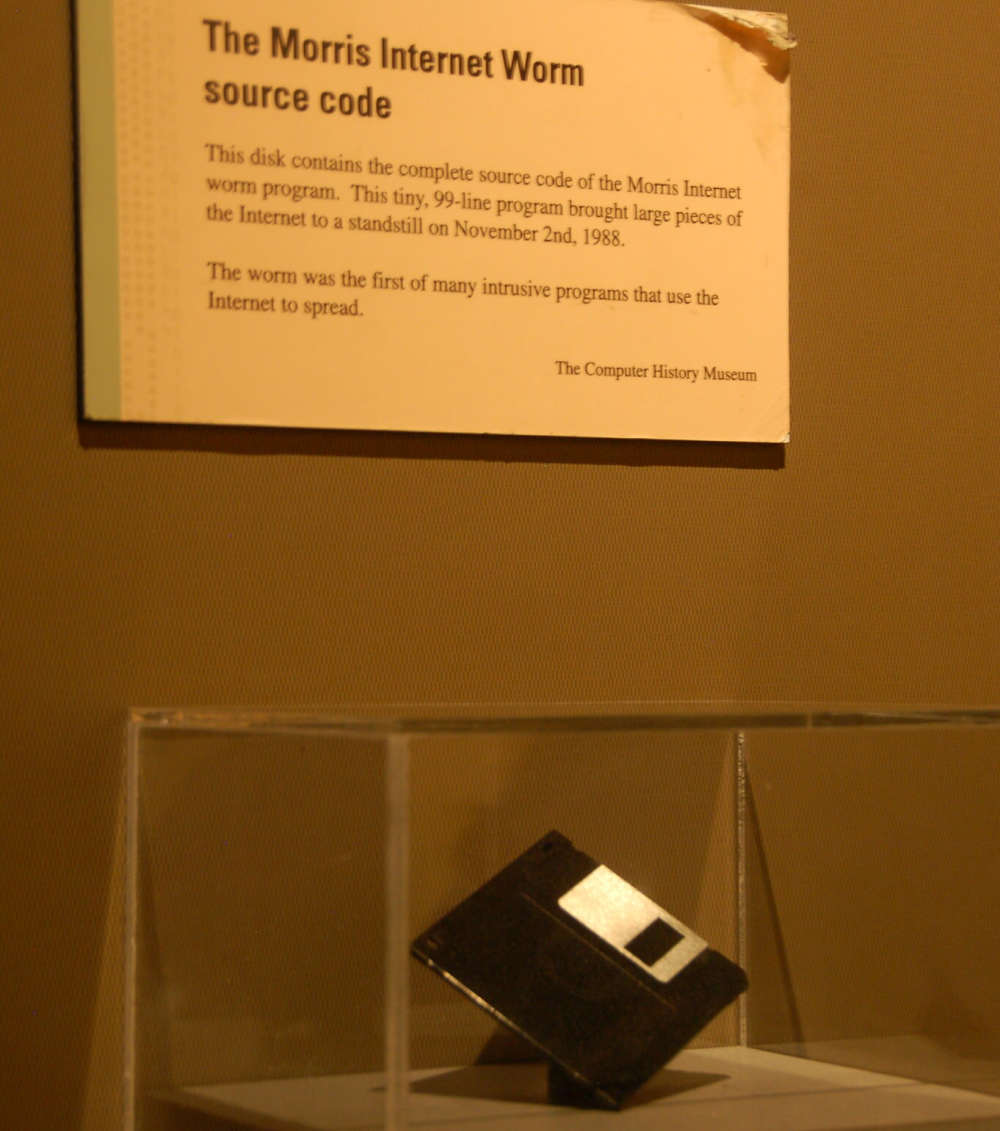
A Digital Chain Reaction
The Morris worm spread like wildfire, infecting an estimated 10% of all internet-connected machines at the time. This may seem like a small percentage today, but in 1988, it represented a significant chunk of the fledgling internet. The consequences were disruptive:
- Limited access to critical services: Research institutions, universities, and even military networks experienced outages, hindering communication and research activities.
- A wake-up call for cybersecurity: The Morris worm incident starkly exposed the vulnerabilities of interconnected systems and the need for robust security measures.
Lessons Learned from the Meltdown
The Great Meltdown served as a pivotal moment in the evolution of cybersecurity. Here are some key takeaways:
- The importance of code review: Thorough code review processes can help identify and address potential vulnerabilities before they are unleashed.
- The need for security awareness: Educating users about potential threats and responsible online behavior is crucial
- Standardization and collaboration: Collaboration and establishing security standards across different networks can help mitigate the impact of widespread attacks.
The Morris worm incident, though accidental, became a turning point in cybersecurity history. It highlighted the interconnectedness and fragility of the internet and the need for proactive measures to protect it. While the internet of today is far more robust, the lessons learned from The Great Meltdown remain relevant, reminding us of the constant need for vigilance and adaptation in the ever-evolving digital landscape.